Cottage Cheese Recipes — 17 High Protein Ideas I Actually Make
These cottage cheese recipes are the ones that survived — the ones I still make after a year of testing every viral cottage cheese idea that crossed my feed. Cottage cheese is the highest-protein dairy you can buy for the money (about 13g per half cup for 2%), it blends completely smooth in 30 seconds, and it quietly turns ordinary breakfasts, pasta sauces and desserts into high protein meals without anyone noticing. Below: how I buy and use it, then every recipe on the site grouped by meal, each with its protein per serving.

 Save recipes like this straight from TikTok and plan your week in minutes with RecipeLoop, the free AI meal planner.
How I buy cottage cheese for cooking.
- 2% small curd is the workhorse. Enough fat to taste rich, 13g protein per half cup, and it blends smoother than large curd. I keep two tubs in the fridge at all times.
- 4% for desserts and the alfredo. Full-fat makes the cheesecake, chocolate mousse and alfredo noticeably creamier for about 20 extra calories a serving.
- Skip fat-free for anything hot. It can go grainy in a sauce. Fine in a smoothie or the ice cream, not in the mac and cheese.
- Check the sodium. Brands range from 300 to 450mg per half cup. If you are cooking with a lot of it, buy the lower one and salt the dish yourself.
The three ways I use it (and the one trick that matters).
Blended smooth. This is the trick. Thirty seconds in a blender turns curds into something between ricotta and heavy cream, and that is the base of every sauce, batter and dessert here. If a recipe tastes "cottage cheesy" to you, it was not blended long enough.
Stirred in whole. Curds melt into hot eggs — the scrambled eggs and egg bites — and disappear into casseroles like the breakfast casserole and the new Christmas breakfast casserole, where they keep the eggs tender and push every square past 25g protein.
As the structure. Blended with eggs and baked, cottage cheese sets into a wrap (the flatbread) or, with flour, a dough (the gnocchi). These are the viral ones, and they work — with the squeeze-and-blend details in each post.
What makes a recipe belong on this page.
Cottage cheese has to be a main ingredient, not a garnish; the dish has to land at 15g protein or more per serving; and it has to be something I would make without the protein as an excuse. A few recipes that use a spoonful of cottage cheese did not make the cut. Everything below did. If you are eating for a daily protein target, or following a high protein, lower calorie plan, start with the dinners — they run 28 to 40g a serving.
 Cottage cheese is the backbone of the high protein, high fiber meals in the Ultimate GLP-1 High Protein High Fiber Cookbook — the book I point readers to when they want a full plan, not just a recipe.
Cottage cheese breakfast recipes.
Where cottage cheese earns its keep: these are the breakfasts that hold me until lunch, and most of them meal-prep for the week.
 Cottage cheese scrambled eggsthe creamiest eggs I make, 10 minutes · 27g protein
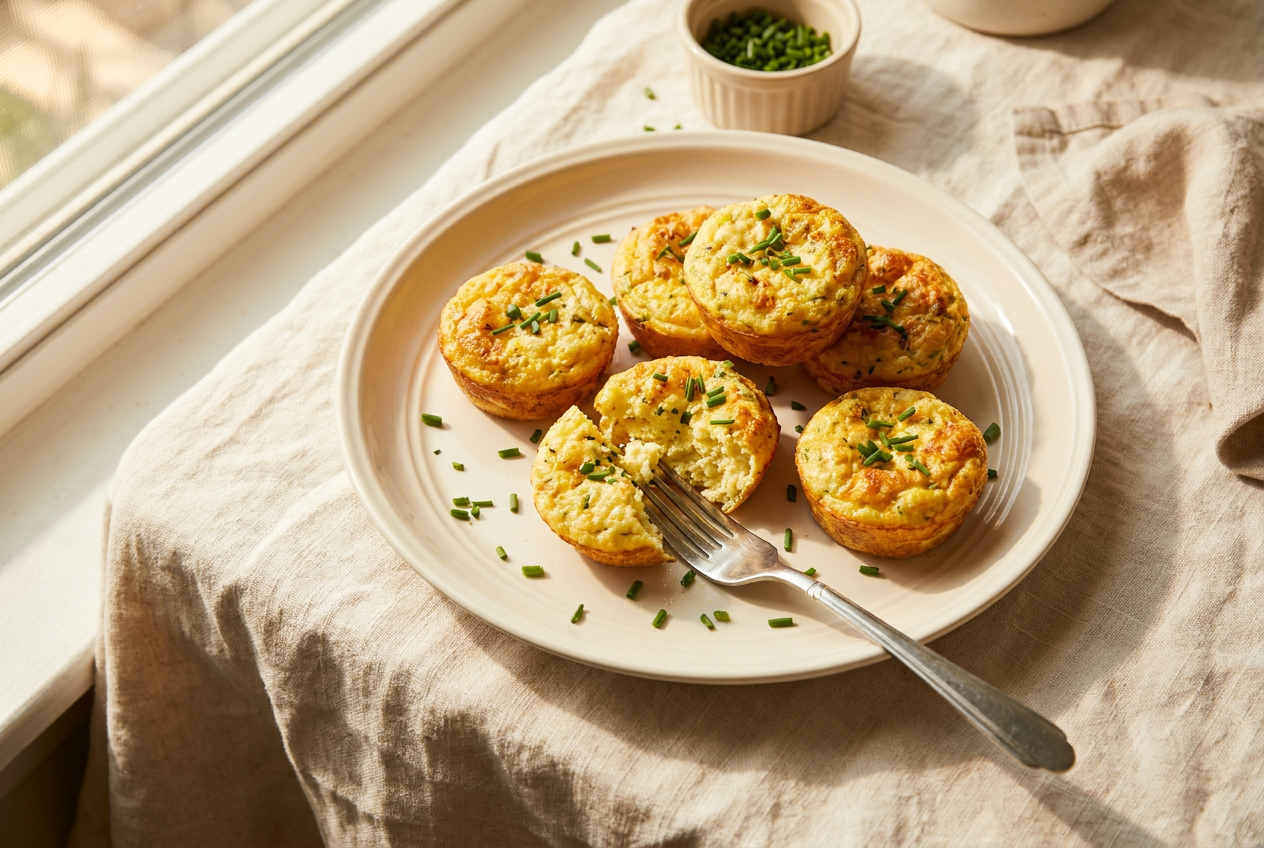 Cottage cheese egg bitesStarbucks-style, baked in a muffin tin, meal-prep for the week · 24g protein
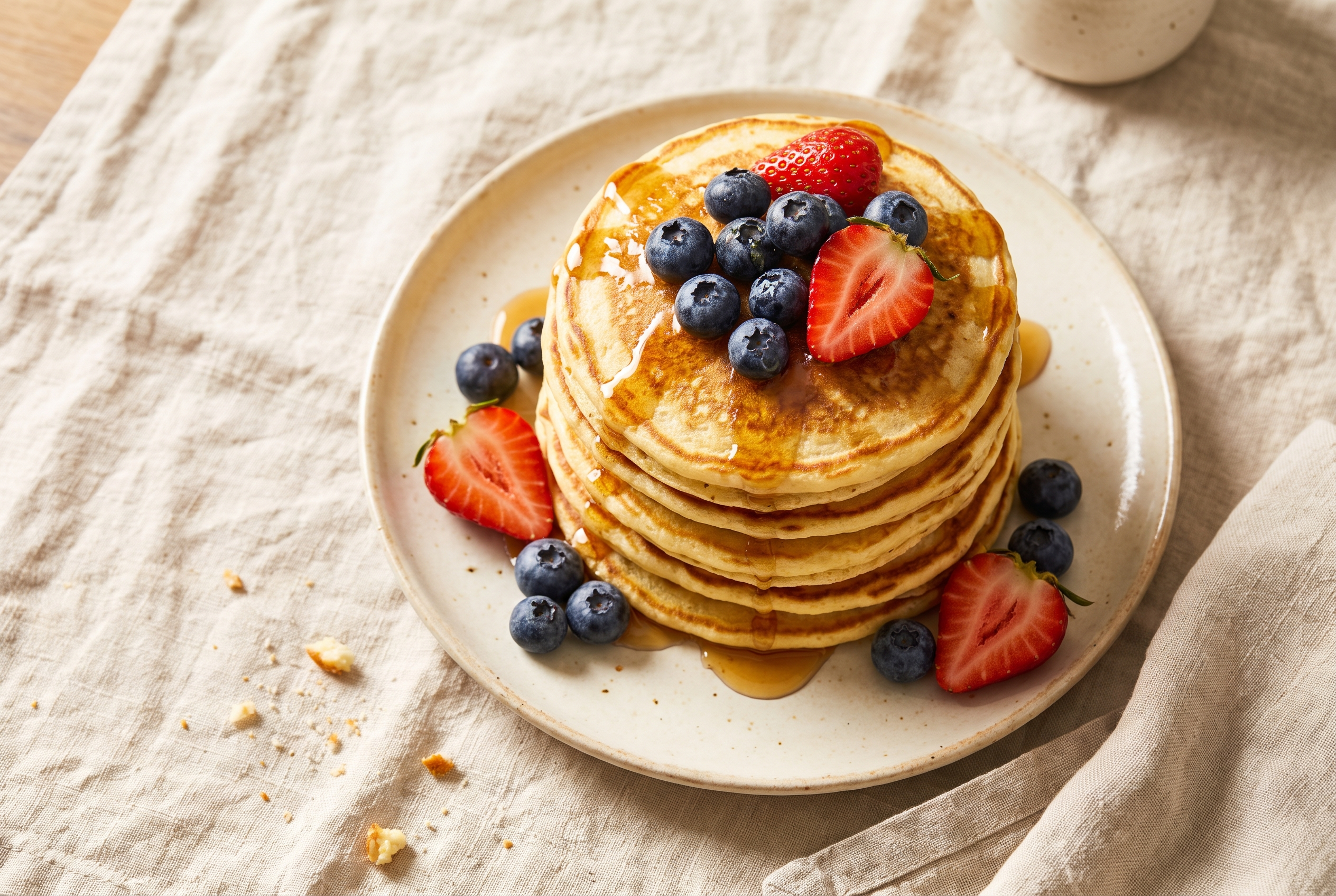 Cottage cheese protein pancakesblender batter, fluffy, 15 minutes · 28g protein
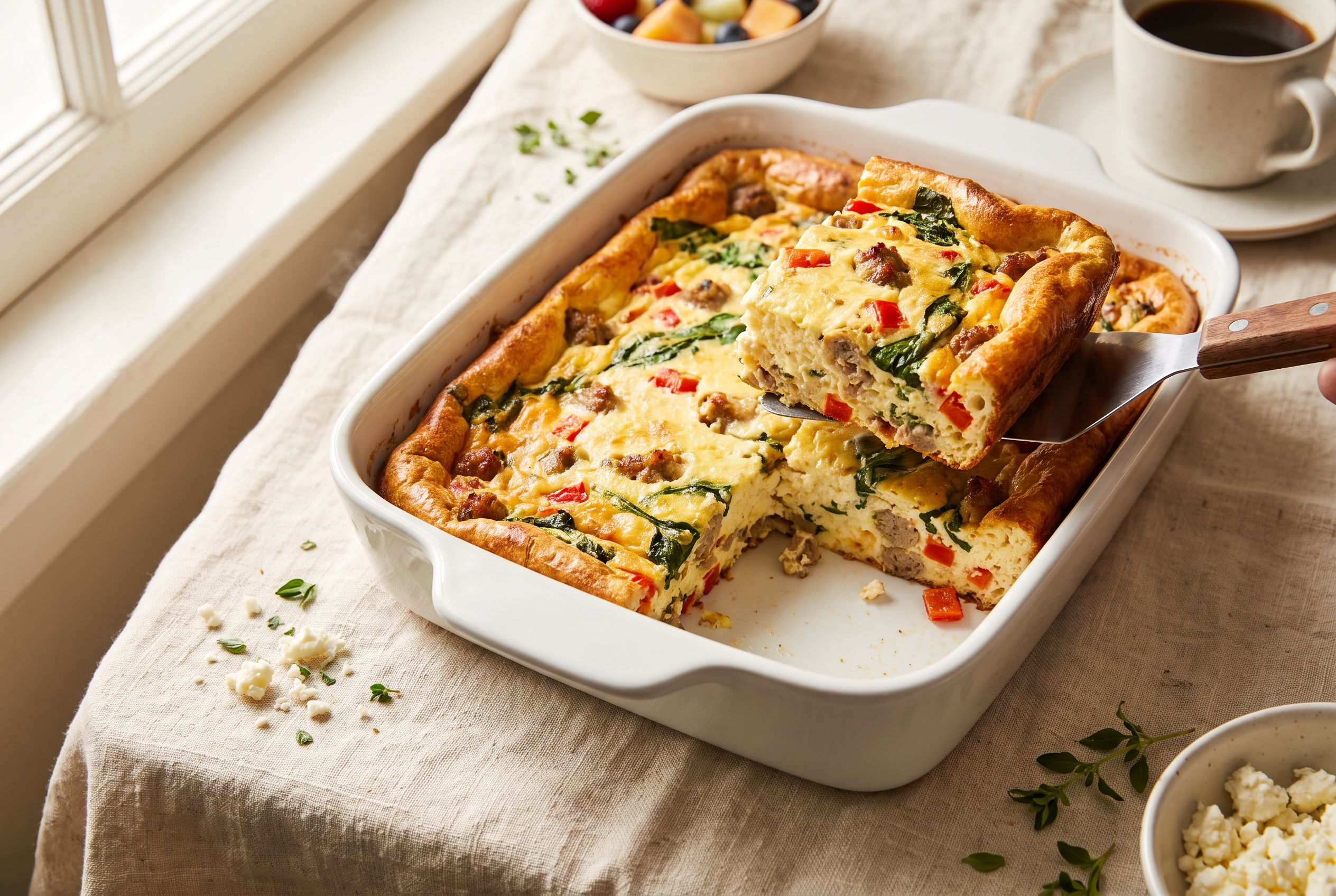 Cottage cheese breakfast casserolefeeds a crowd, bakes in 50 minutes · 26g protein
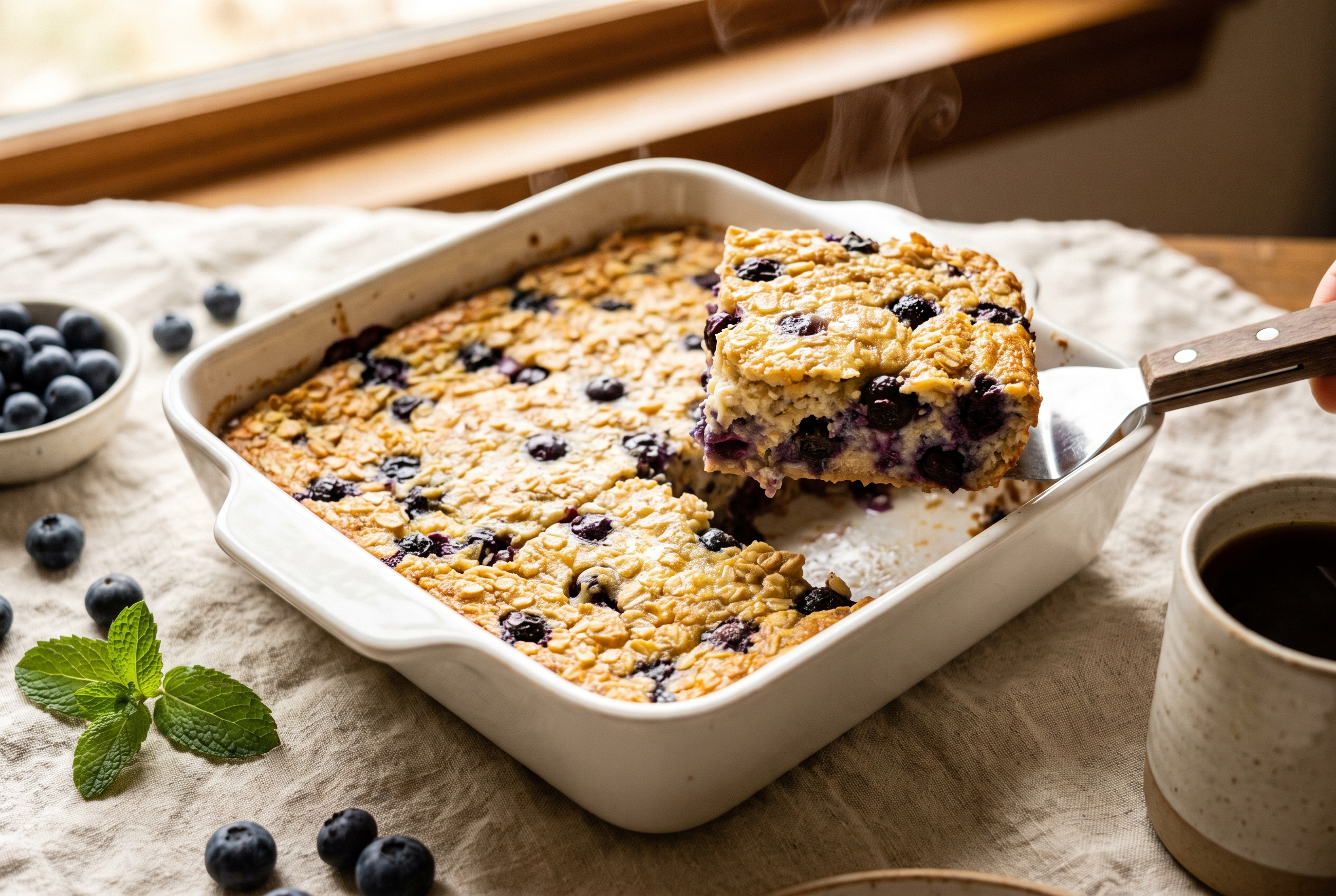 Blueberry cottage cheese breakfast bakeoats, berries and a custardy top, meal-prep friendly · 22g protein
 Breakfast egg muffinsturkey sausage and the cottage cheese trick that keeps them tender · 16g per 2 protein
 Christmas breakfast casseroleovernight sausage, egg and hash brown bake with a cottage cheese custard · 26g protein
Cottage cheese dinner recipes.
Blended into sauces and doughs. The alfredo and mac and cheese are the two that convert skeptics; the flatbread and gnocchi are the viral ones that actually work.
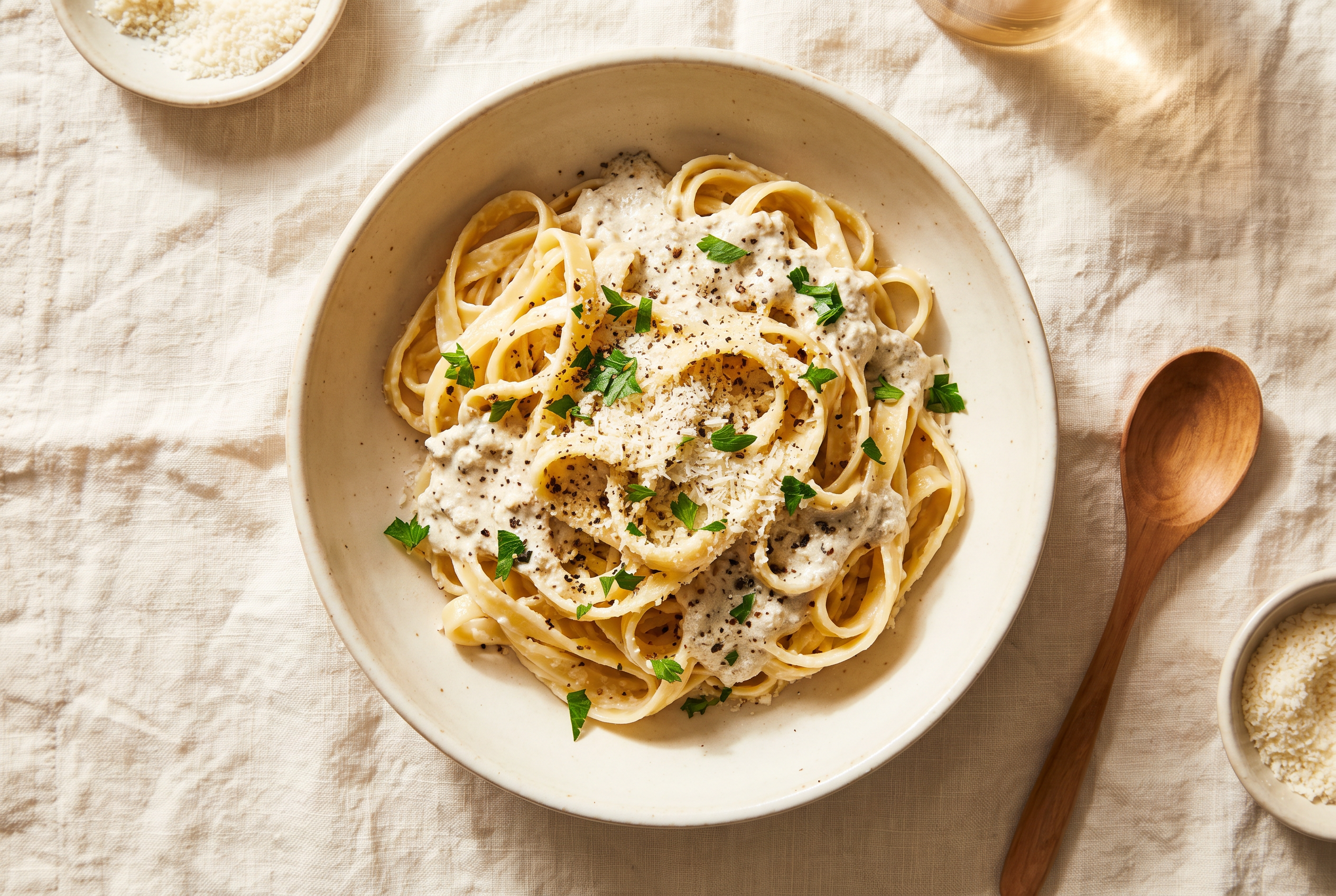 Cottage cheese alfredo pastablended sauce that tastes like cream, 25 minutes · 34g protein
Cottage cheese mac and cheesecreamy, high protein, 25 minutes · 31g protein
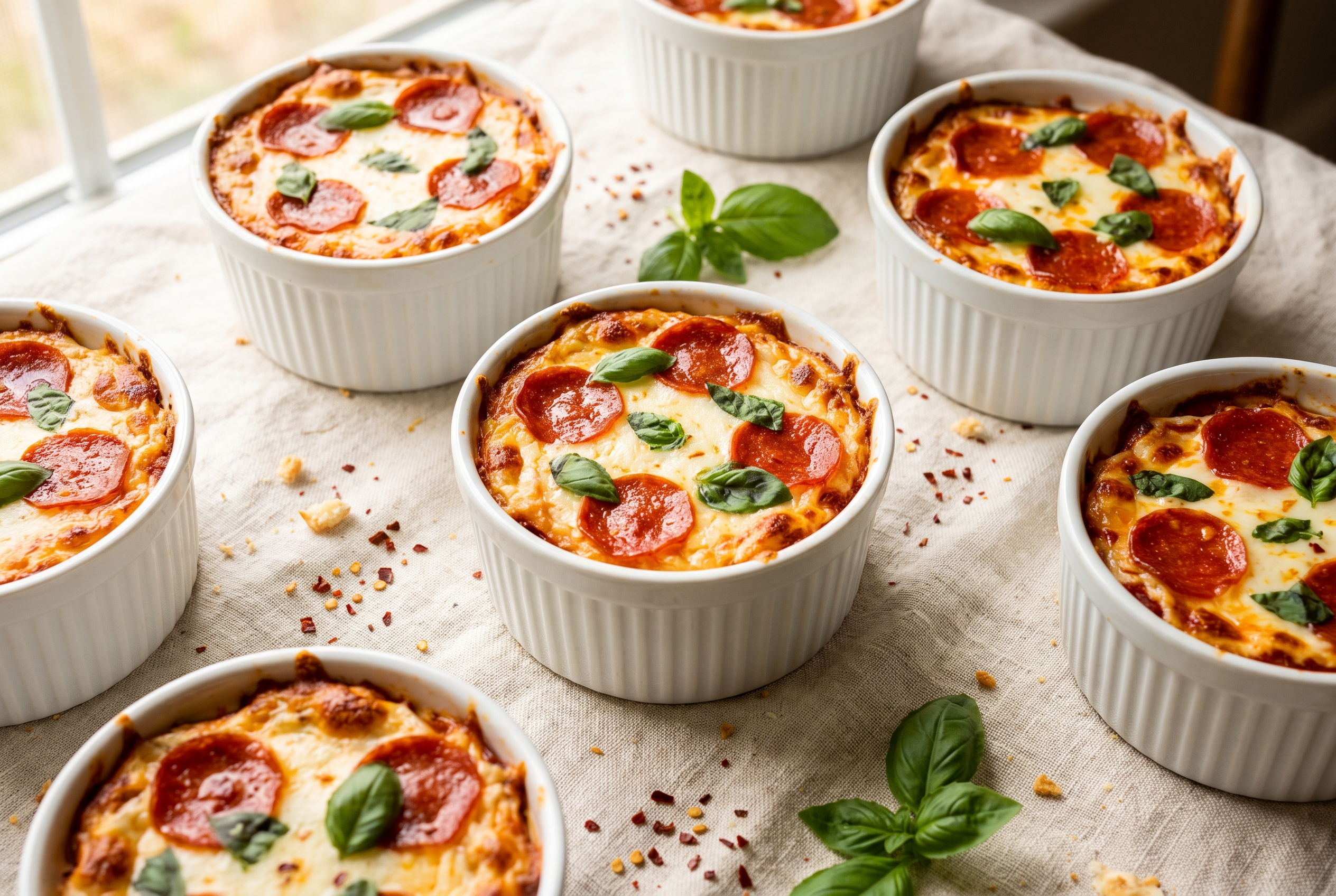 Cottage cheese pizza bowlspizza night with almost no carbs, 20 minutes · 36g protein
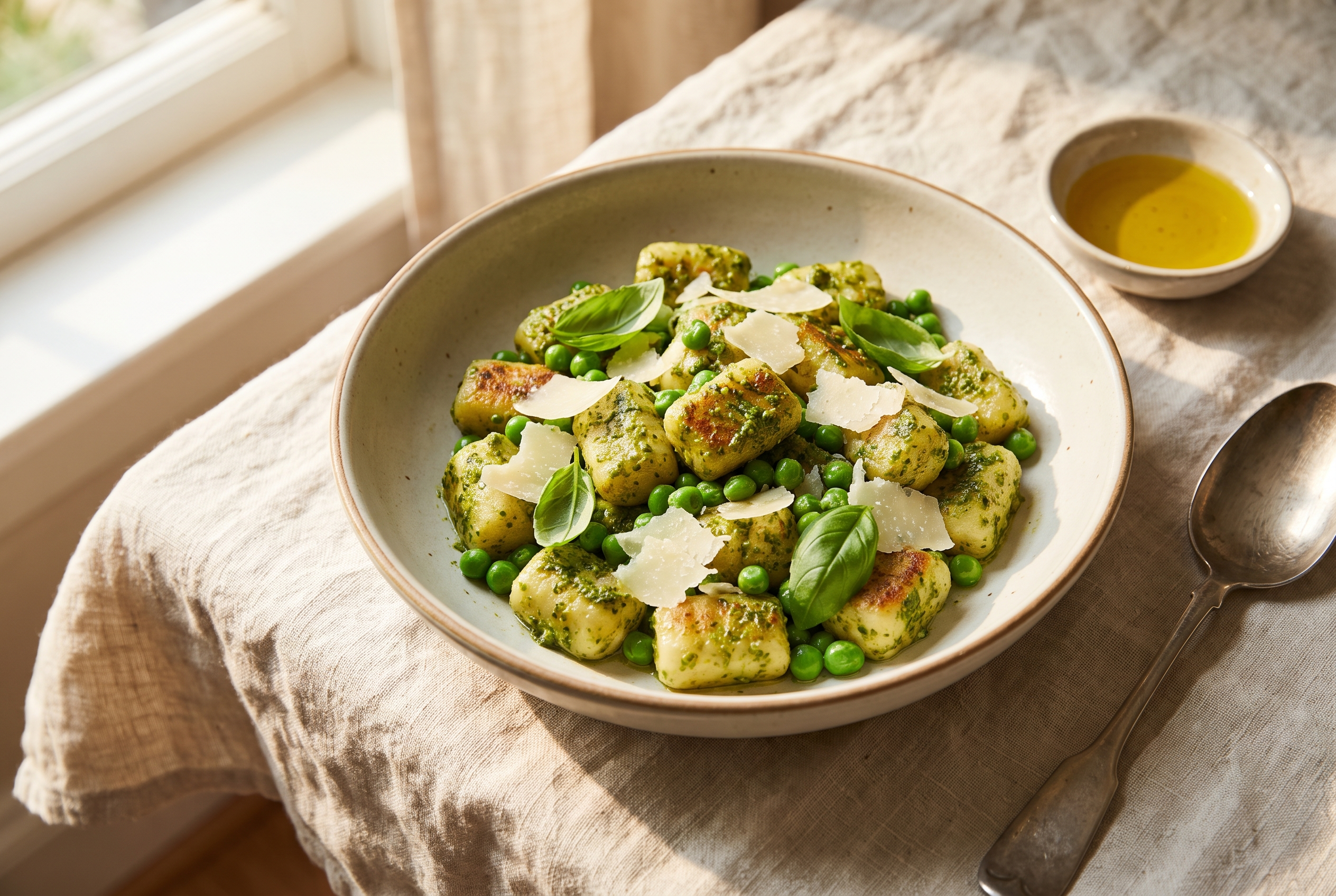 Cottage cheese gnocchino potatoes, pan-crisped, 30 minutes · 28g protein
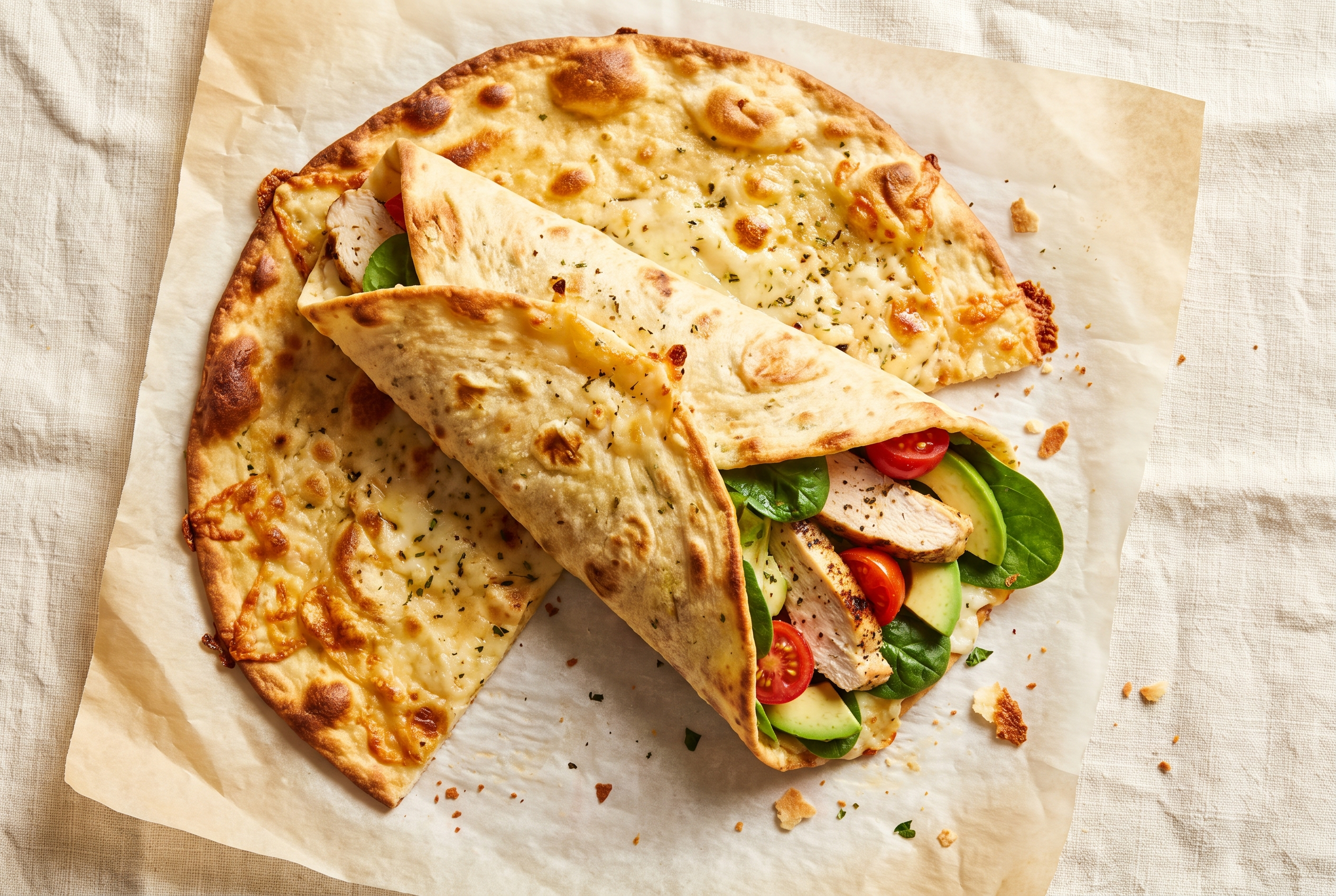 Cottage cheese flatbreadthe viral 2-ingredient wrap that actually holds together · 26g protein
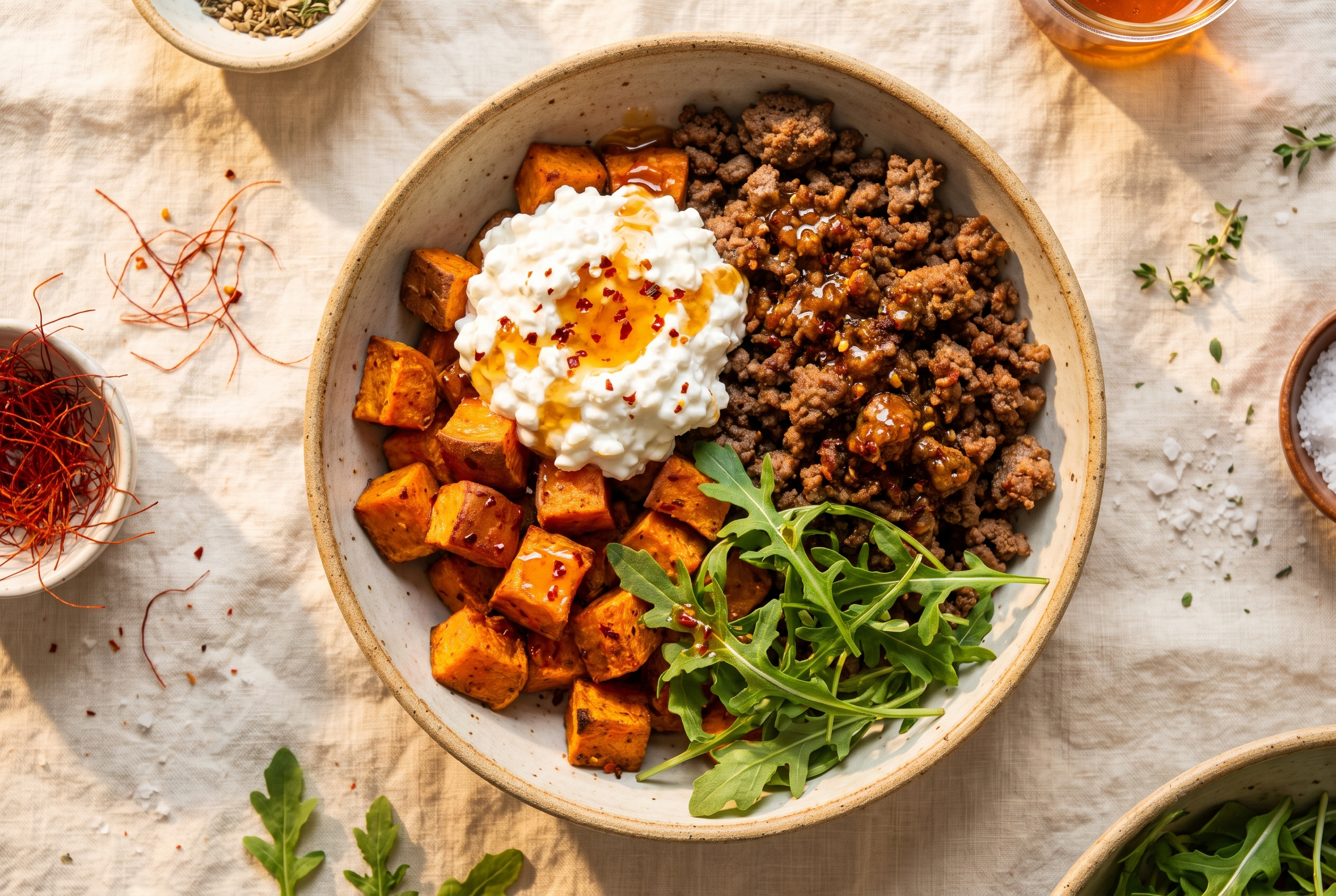 Hot honey beef and sweet potato bowlswhipped cottage cheese base, 35 minutes · 40g protein
Cottage cheese snacks and desserts.
Blender desserts, all under 10 minutes of effort, all 15g protein or more.
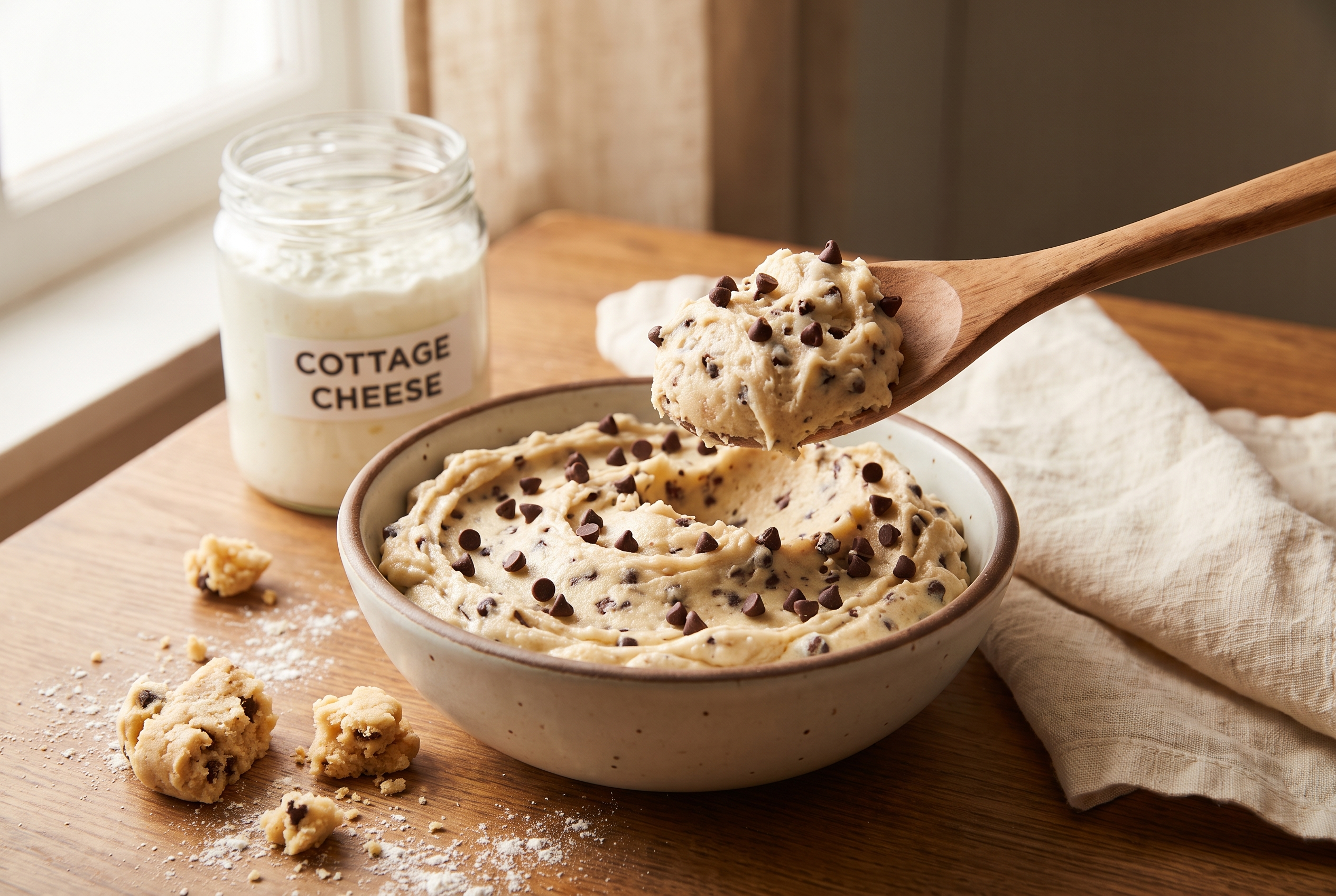 Cottage cheese cookie doughedible, high protein, 5 minutes · 16g protein
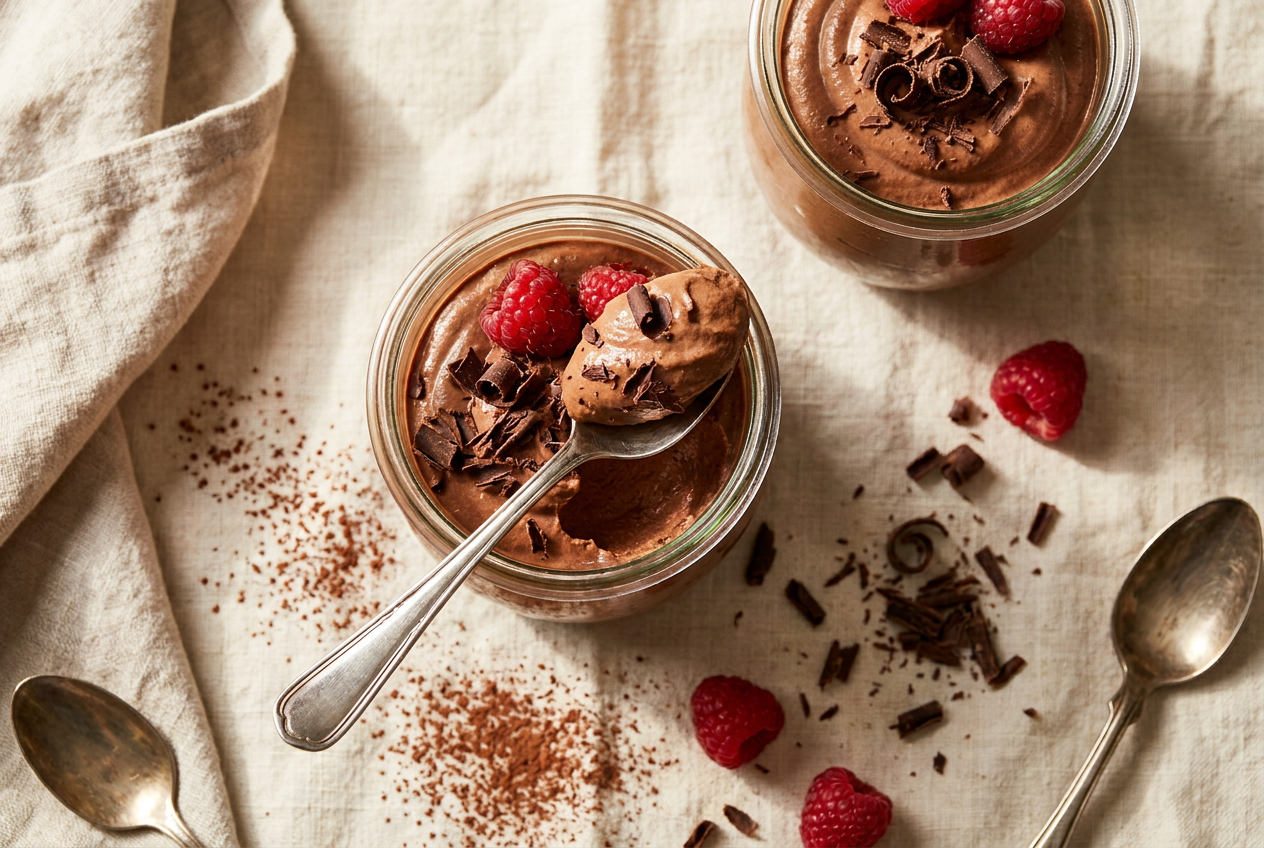 Chocolate cottage cheese mousseblender dessert that tastes like the real thing · 15g protein
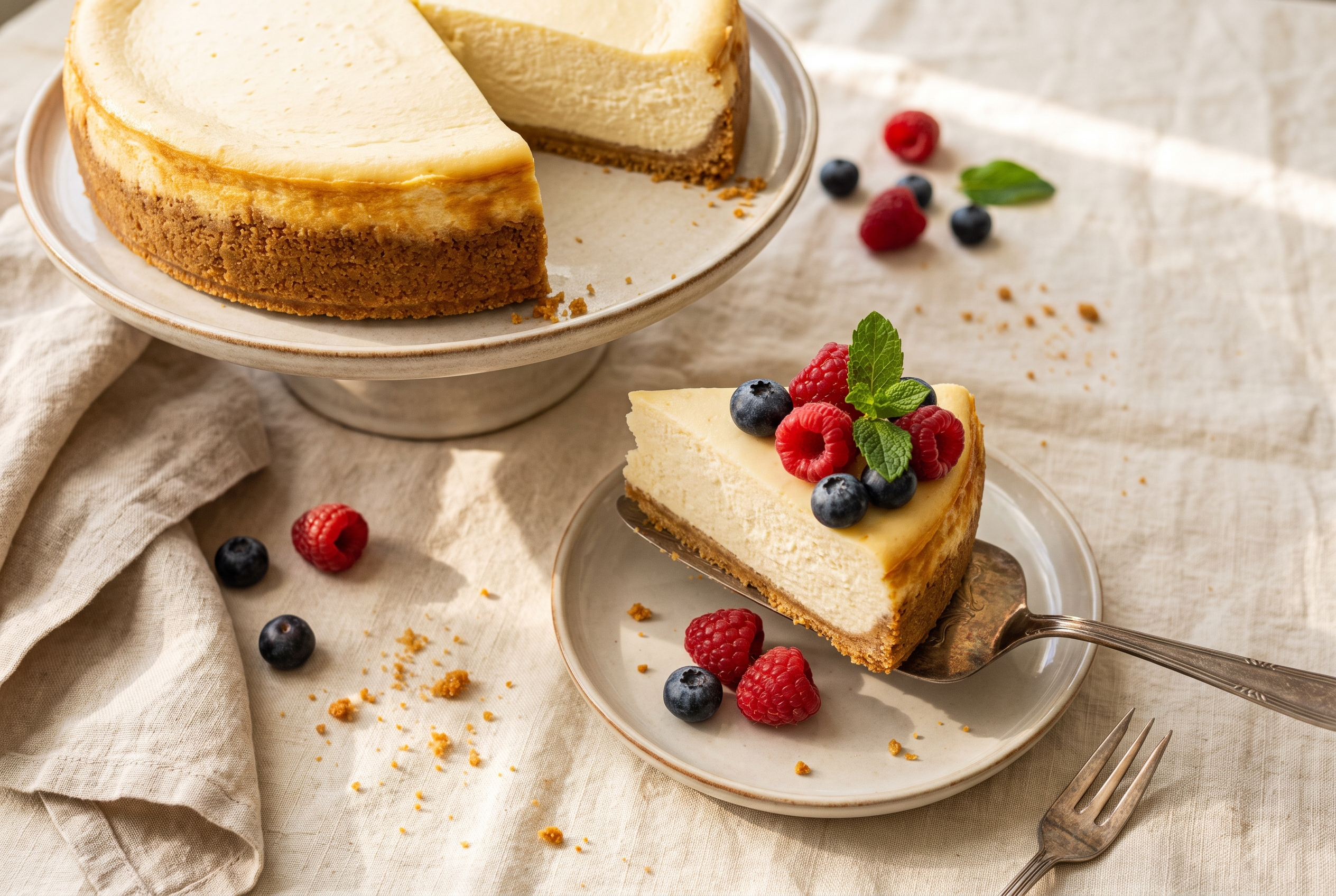 Cottage cheese cheesecakecreamy and light, 18g a slice · 18g protein
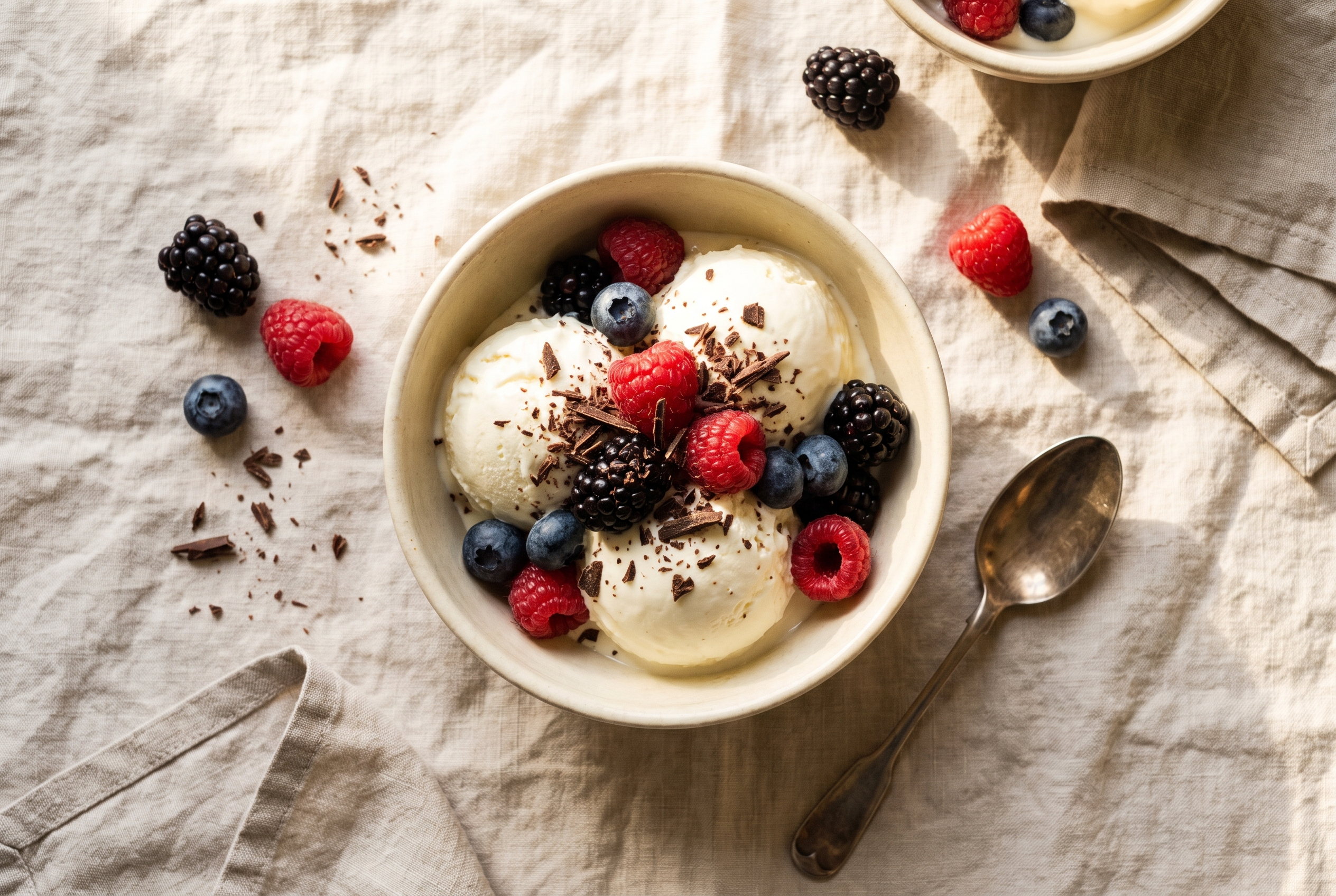 Cottage cheese ice creamthe viral one, 4 flavors, no machine · 20g protein
Things I learned cooking with cottage cheese for a year.
- Blend longer than you think. Ten seconds leaves grit; thirty makes it silk. An immersion blender in the tub works too.
- Add it off the heat for sauces. Blended cottage cheese stirred into boiling liquid can tighten up. Pull the pan off the burner, stir it in, then warm gently.
- Squeeze it for doughs. For the flatbread and gnocchi, drain the cottage cheese in a sieve for 10 minutes first. Less water means a dough that holds.
- It replaces ricotta one-for-one. Blended cottage cheese works in lasagna, stuffed shells and baked ziti with more protein and less fat — my crockpot lasagna uses it.
Want a full high protein plan built around meals like these?
The Ultimate GLP-1 High Protein High Fiber Cookbook is the one I recommend — filling, fast recipes that use cottage cheese, Greek yogurt and lean proteins the same way these do.
Meal-plan the whole week around recipes like this with RecipeLoop — save recipes from anywhere, get a grocery list automatically.Cottage cheese questions I get asked.
Is cottage cheese actually high in protein?
Yes — about 12 to 14g of protein per half cup for low-fat (2%) cottage cheese, which is roughly double Greek yogurt by volume and similar to an egg and a half. That is why blending it into a sauce, a batter or an egg bake adds so much protein without changing the taste.
How do you make cottage cheese smooth?
Blend it. Thirty seconds in a blender or with an immersion blender turns the curds into something as smooth as ricotta or cream. Every sauce, batter, mousse and cheesecake on this page starts that way; the curds only stay whole in things like scrambled eggs where they melt in anyway.
What kind of cottage cheese is best for cooking?
Low-fat (2%) small curd is my default: enough fat to taste rich, enough protein to matter, and it blends smoothest. Full-fat (4%) is better for desserts and the alfredo; fat-free can turn grainy when heated and I avoid it for sauces.
Can you freeze cottage cheese?
Not on its own — it separates and turns watery when thawed. But cooked dishes that contain it freeze well: the egg bites, breakfast casseroles, flatbread, cookie dough and mac and cheese on this page all freeze for 2 to 3 months.
Can you taste the cottage cheese in these recipes?
In the scrambled eggs and the breakfast casseroles you taste creaminess, not cottage cheese. In the blended recipes — alfredo, mac and cheese, mousse, cheesecake, cookie dough — nobody has ever guessed. The flatbread is the one where it is the main flavor, and it tastes like a mild, savory crepe.